
 Spécialiste de la cheminée éthanol depuis plus de 13 ans
- Language:
- Account
 Français
 English

Freestanding Fireplace
There are 131 products.


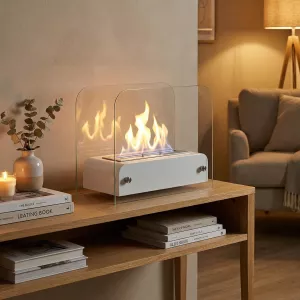
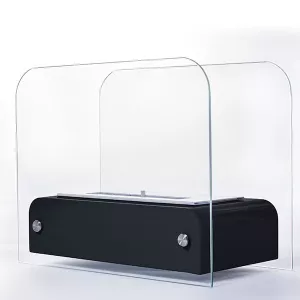


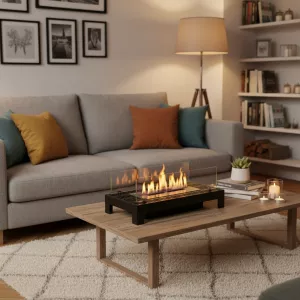
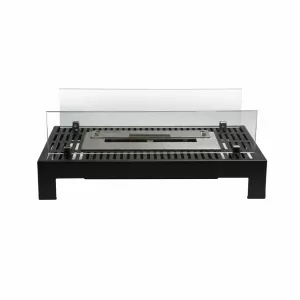
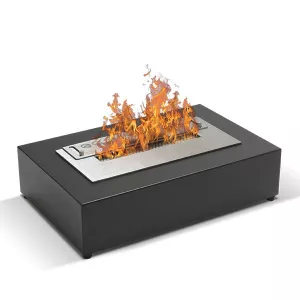
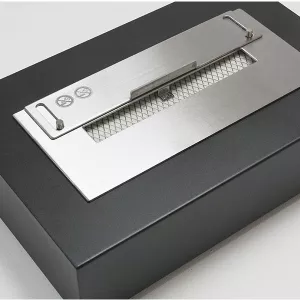


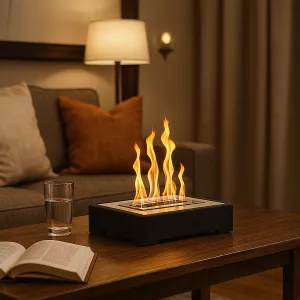
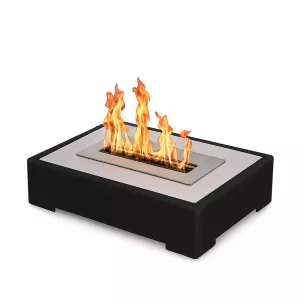


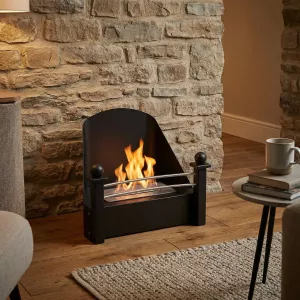
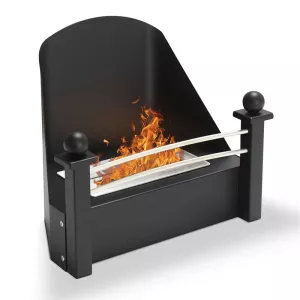
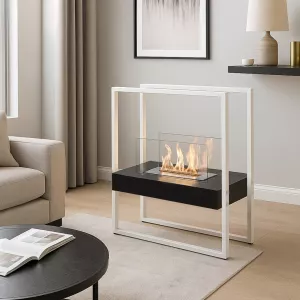
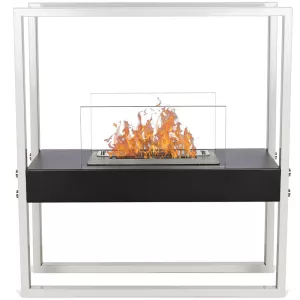


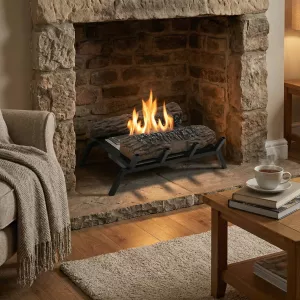
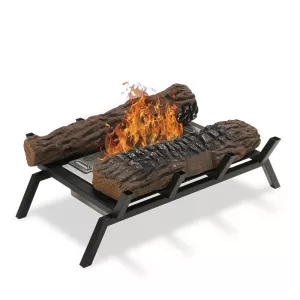


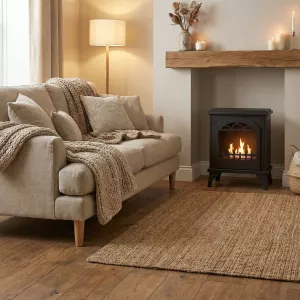
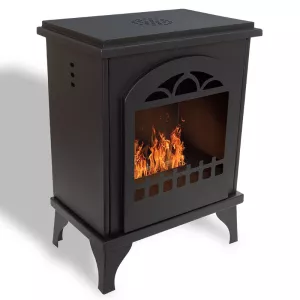


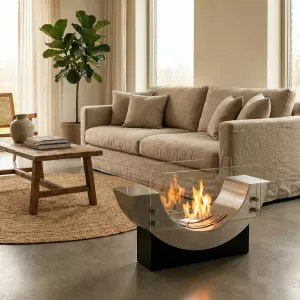
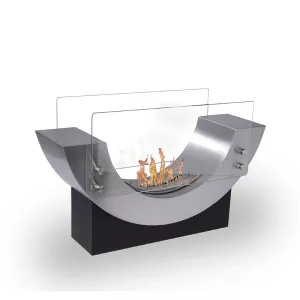
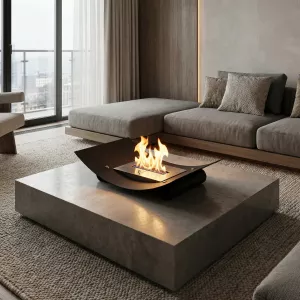
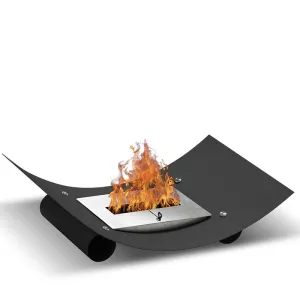


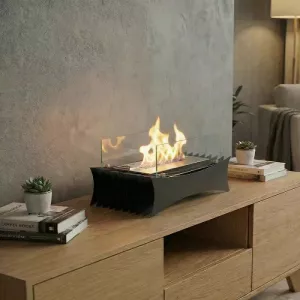
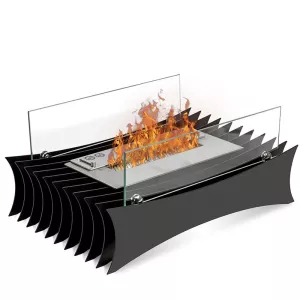

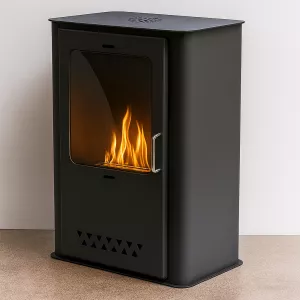
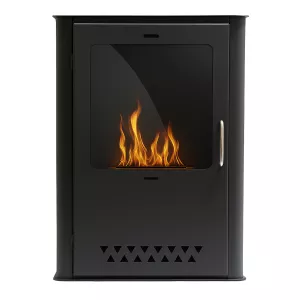


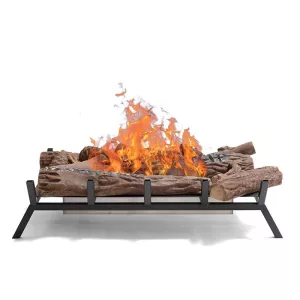
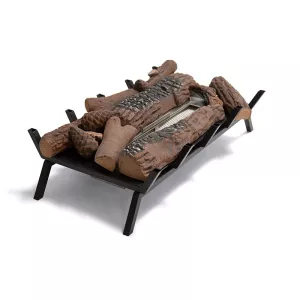


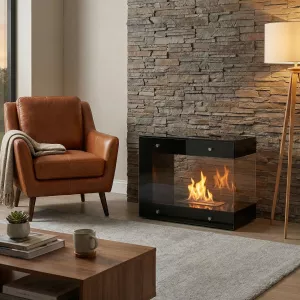
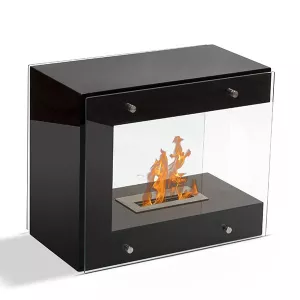


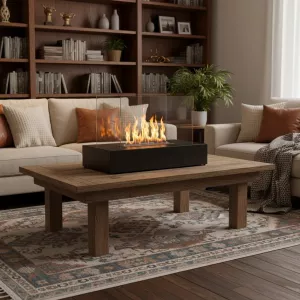
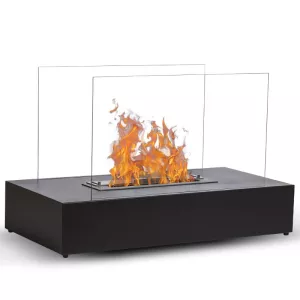


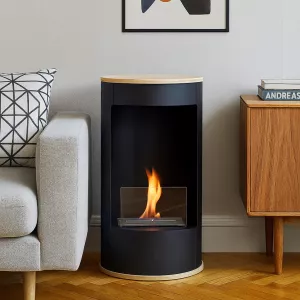
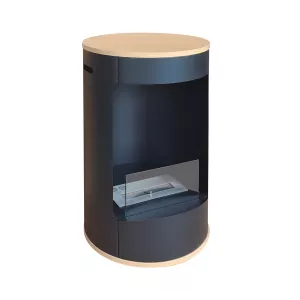


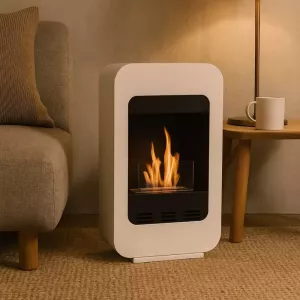
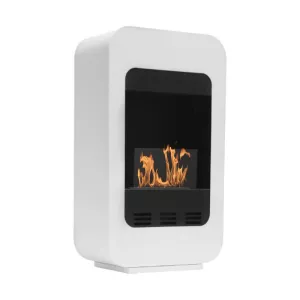


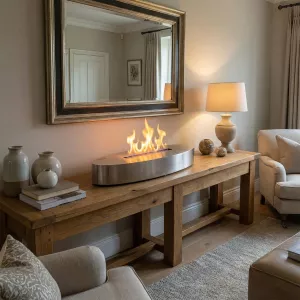
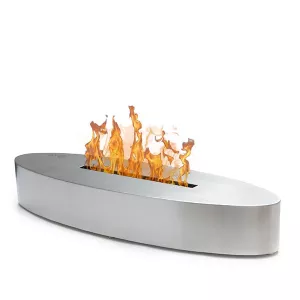
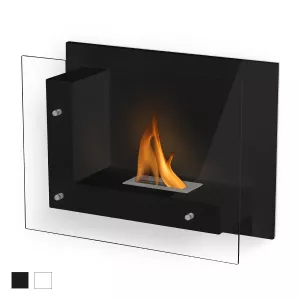
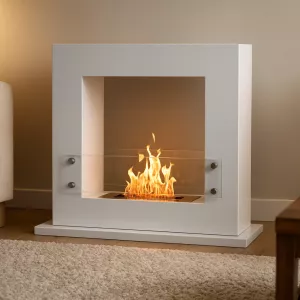
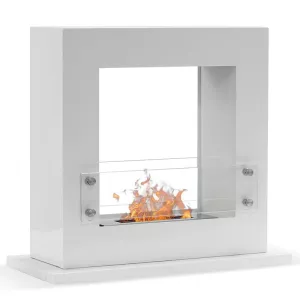


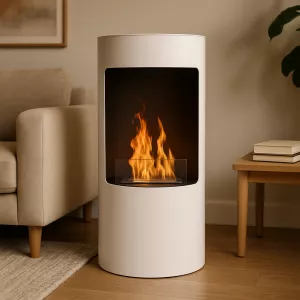
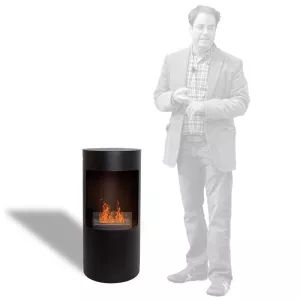


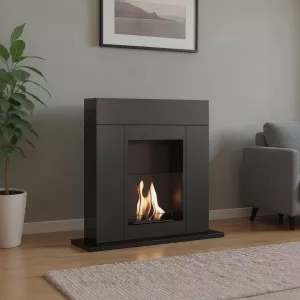
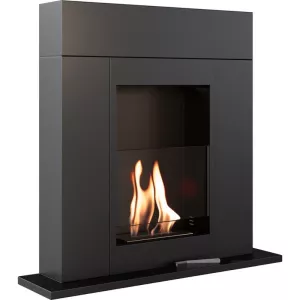


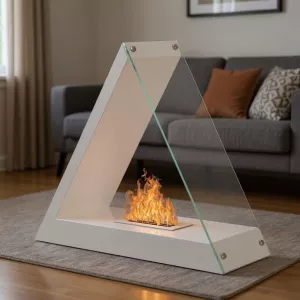
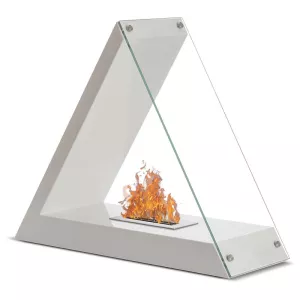


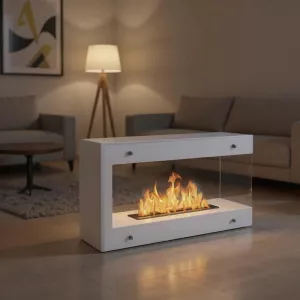
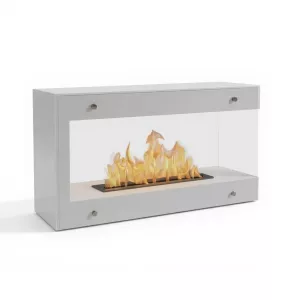
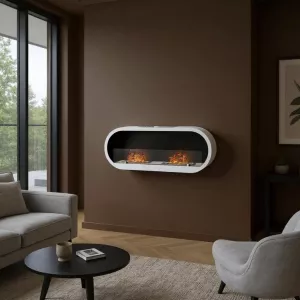
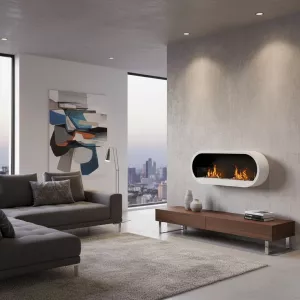
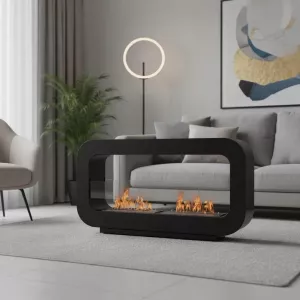
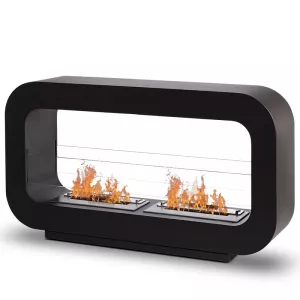


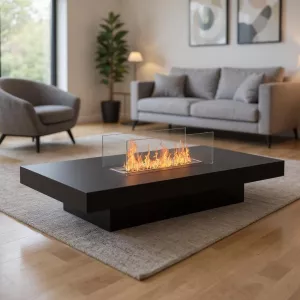
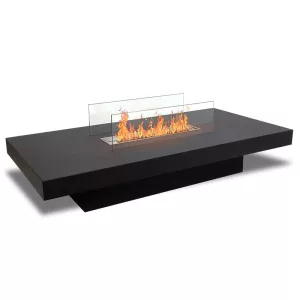
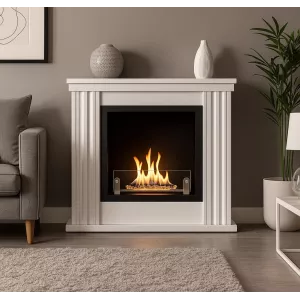
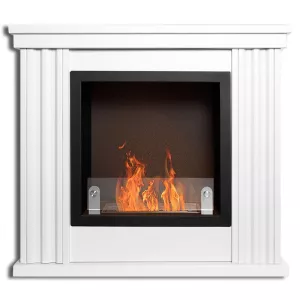


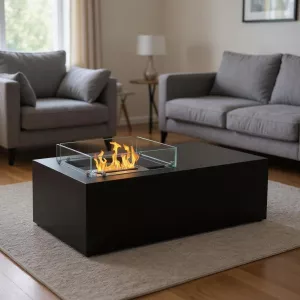
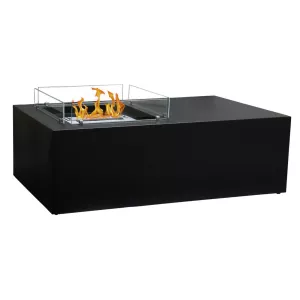


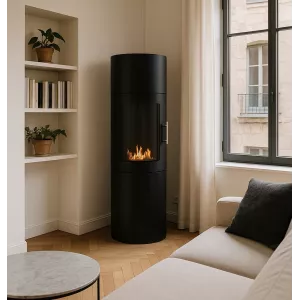
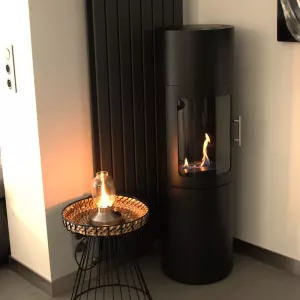
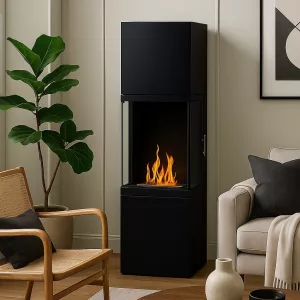
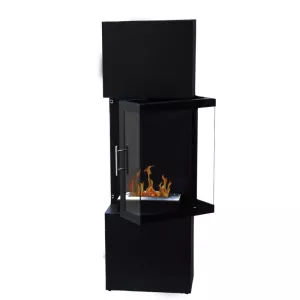


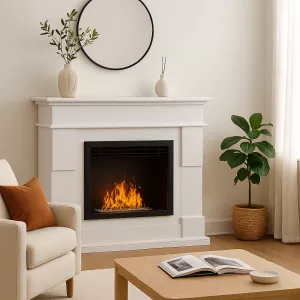
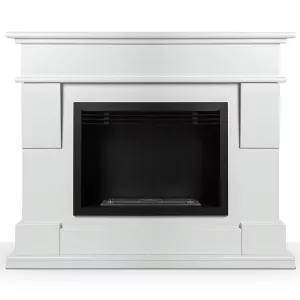
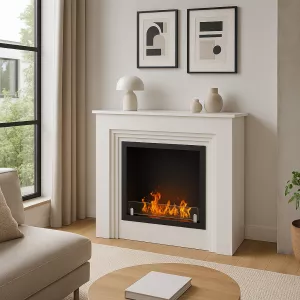
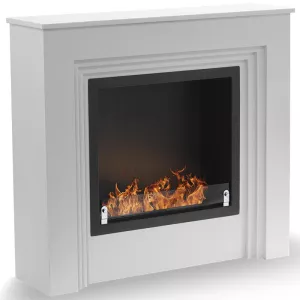
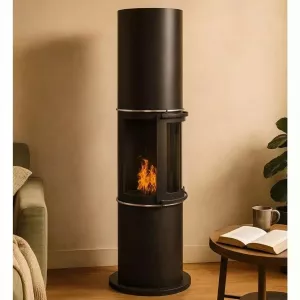
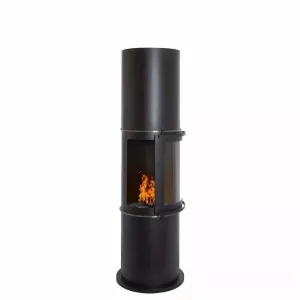


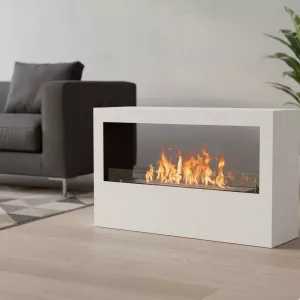
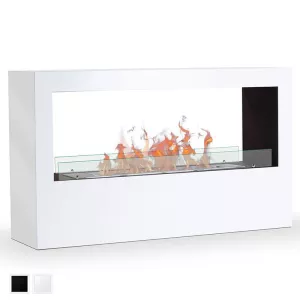


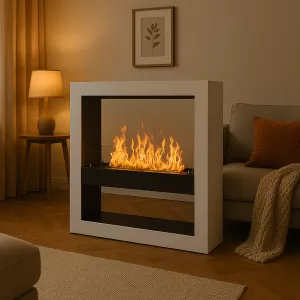
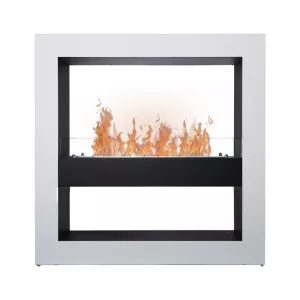
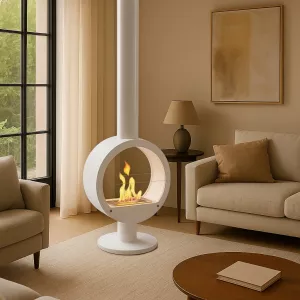
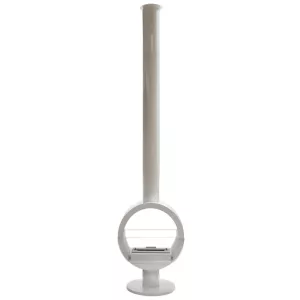


They’re most often called “ portable models” or “ mobile fireplaces” and are truly practical: they adapt to your needs. In fact, they’re easy to move around and can not only complement your decor perfectly but also provide warmth exactly where you need it most. Turn up the heat in your kitchen in the early evening, then wind down in the living room: your fireplace is right there, following you everywhere and providing extra warmth. They’re made of cold-rolled steel, which forms the unit’s casing, as well as stainless steel, a material that withstands the stresses of heat well.
Like all ethanol models, they offer the chance to enjoy a beautiful, warm flame at home.
CHOOSE THE HEAT OUTPUT
Although floor-standing or tabletop models are generally less powerful than some wall-mounted stoves, some come equipped with two burners. These models deliver a heat output ranging from 5,400 to 6,000 watts. It is estimated that this type of fireplace can be installed in a room with an area of 30 to 50 m² while still providing effective heating.
REHABILITATE AN OLD CHIMNEY
These days, heating with wood seems complicated—especially if you have an old fireplace. You have to deal with the chore of gathering firewood, which for some is a real winter ordeal. You also have to contend with the bans that are beginning to loom, particularly in the Paris region. There are even rumors of a ban on open fires in the Rhône-Alpes region. In that case, ethanol offers an alternative. There are a wide variety of models that can be installed in a Haussmann-style fireplace—or one even older—without blocking the flue.
SAFETY ISSUES
Many of you call us asking for information about the safety of freestanding models. It’s important to understand that these stoves are, of course, not without risk, and that certain recommendations and safety precautions are essential and must be followed. First of all, you’ll need to choose a flat, stable spot to place your stove: this is important to prevent any risk of it tipping over. You should also avoid high-traffic areas or drafts: they can cause the flame to veer off course and potentially “lick” at fabrics or curtains. This would create a fire hazard. It’s also important—and this is especially true if you have young children—not to leave the fireplace unattended while it’s in use. We also advise parents not to leave ethanol in the burner even when the fireplace is not in use: this way, young children won’t be tempted to light the flame.