
 Spécialiste de la cheminée éthanol depuis plus de 13 ans
- Language:
- Account
 Français
 English

Burner
There are 20 products.
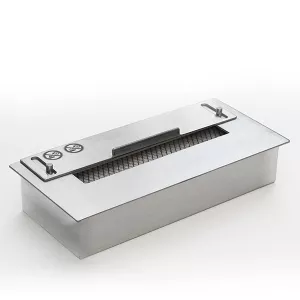
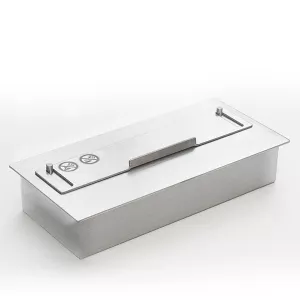
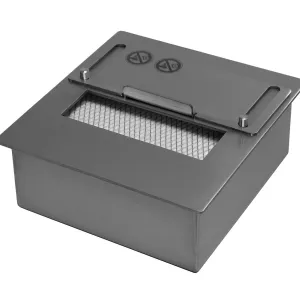
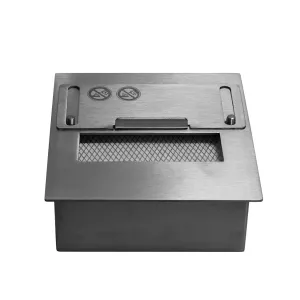
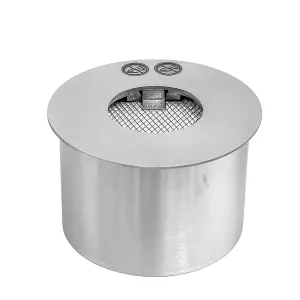
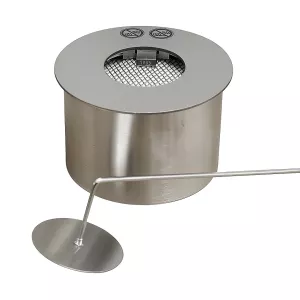
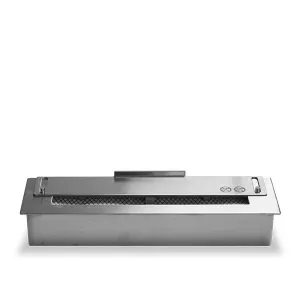
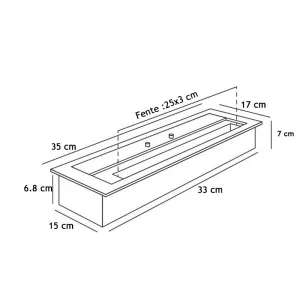
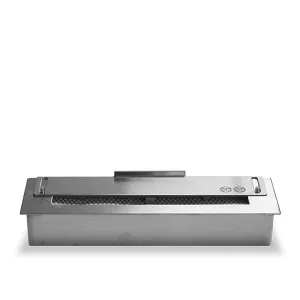
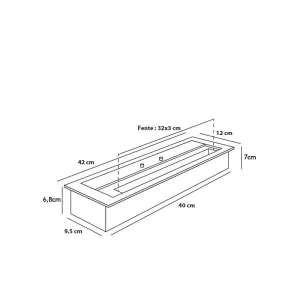
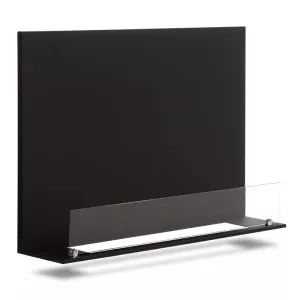
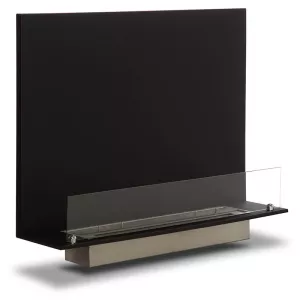
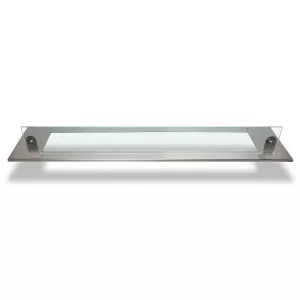
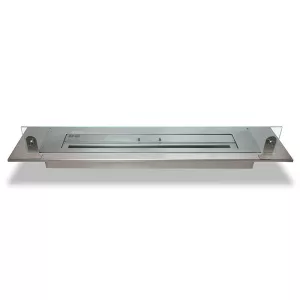
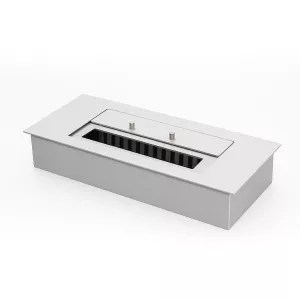
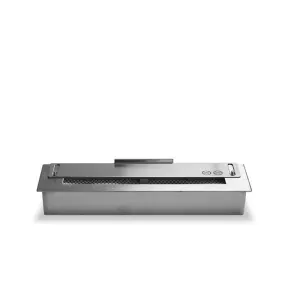
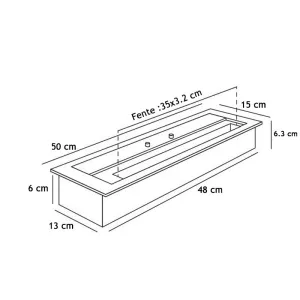
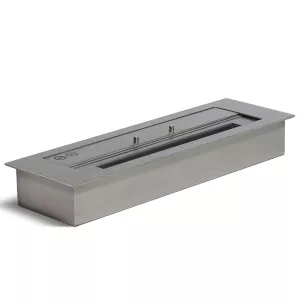
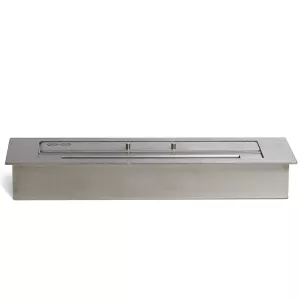
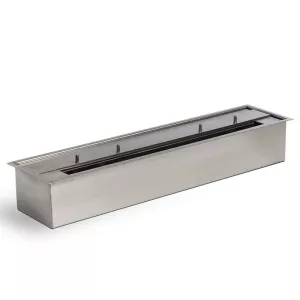
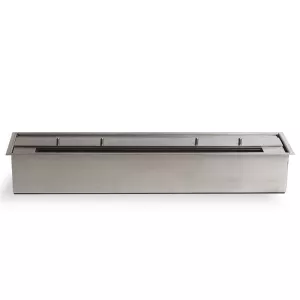
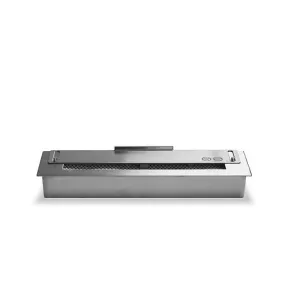
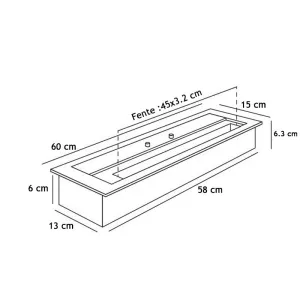
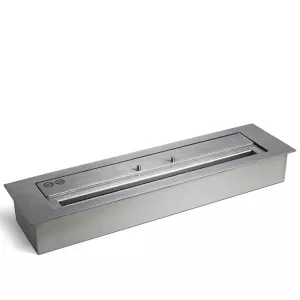
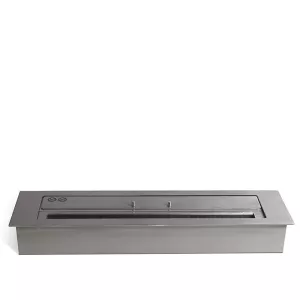
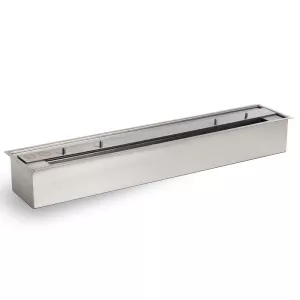
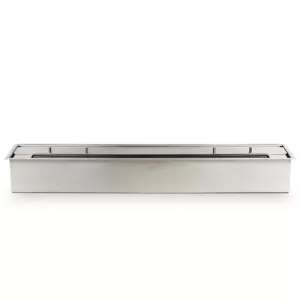
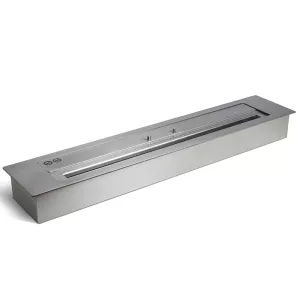
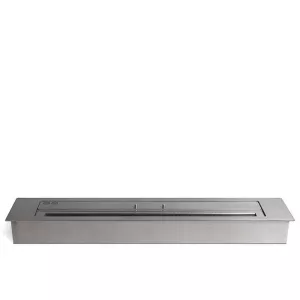
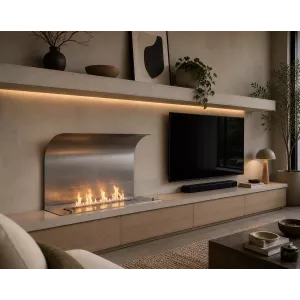
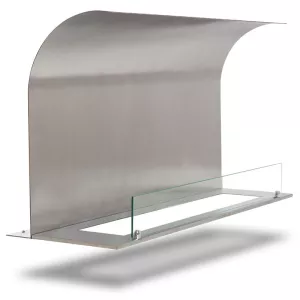
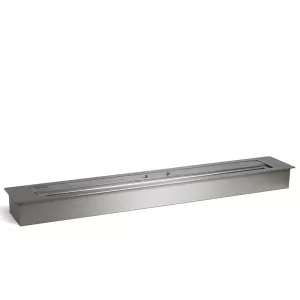
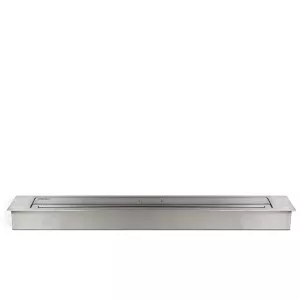
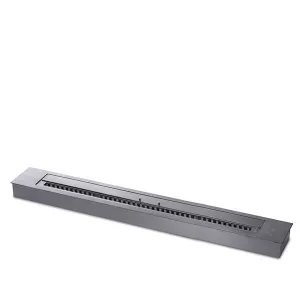
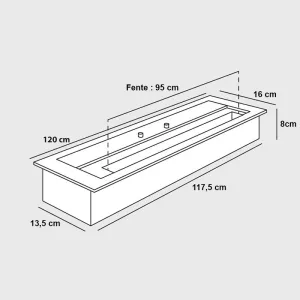
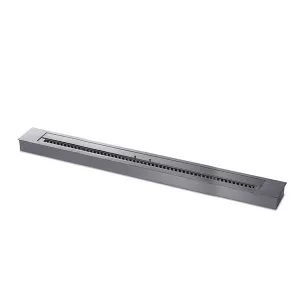
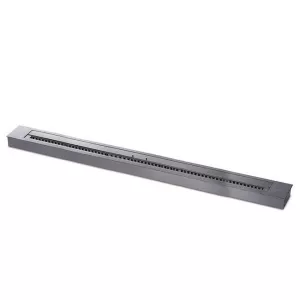
This is the centerpiece of any biofireplace, and it is used in two different situations.
• First, as a replacement: despite the durability of the equipment we sell, you may need to replace the combustion chamber due to improper handling or the use of an unsuitable fuel. Fortunately, these cases are rare—it’s no coincidence that we offer a 5-year warranty on our equipment!
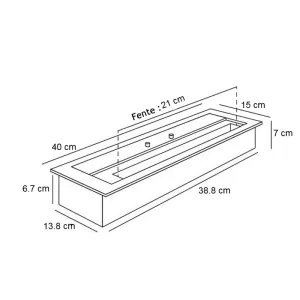
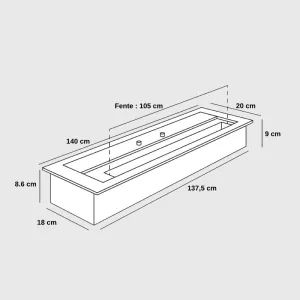
• Second, for custom-built projects: more and more of you are reaching out to us because you plan to build a fireplace yourself. With this in mind, we offer a wide selection of burners that will fit your project perfectly. In fact, while we offer “standard” models that are 40 cm long with a 1.5-liter capacity and delivering up to 3 kW of power, we can also provide much larger models, such as our flagship 140-cm burner, which delivers 13 kW and produces a flame 114 cm wide!
SOME TIPS FOR MAKING YOUR CHOICE
We offer a wide range of burners to best meet your needs. Some of you are simply looking for a single flame to incorporate into your decor: in this case, you won’t need a high heat output. Others require a wide flame capable of quickly heating the interior. You’ll need to consider:
• The size of the room to be heated.
• The region where you live, as some are warmer than others.
• The quality of your home’s insulation: obviously, a passive house will be better at retaining heat than an apartment built in the 1930s.
• The size of the flame: The larger the burner you choose, the larger the flame will be. This creates a more pleasing visual effect and also provides greater heat output.
| Type | Flame width (cm) | Power (watts) | Enclosed version |
| 32 cm Fireplace | 22 | 4,000 | Yes |
| Firebox 35 cm | 20 | 3,000 | No |
| Burner 40 cm | 21 | 3,000 | No |
| 42 cm burner | 32 | 4,000 | No |
| 50 cm Fireplace | 31 | 3,500 | No |
| 60 cm unit | 45 | 5,000 | Yes |
| 80-cm block | 65 | 6,500 | No |
| 100-cm block | 80 | 6,500 | No |
| 120-cm block | 95 | 8,000 | No |
Anatomy of a Burner Assembly
The following diagram will show you the key components of your burner. Please note that all items offered here are made entirely of stainless steel, ensuring high heat resistance. They are entirely mechanical, contain no electronic parts, and are therefore durable products with no potential for failure.

A/ The fuel reservoir: This component acts as a tank and holds the fuel.
B/ The retaining grid: This component can take different forms depending on the model selected. It holds the ceramic foam in place.
C/ The ceramic foam: Many customers contact us after receiving their order. A common question is: “Should I remove the cotton-like foam inside the burner?” The answer is no. This is ceramic foam, whose purpose is to hold the ethanol in the burner and release it gradually throughout the combustion process. This foam is not meant to be replaced, as the material it’s made of is highly heat-resistant. Simply use a high-quality fuel to prevent premature wear.
D/ The adjustment plate: it serves as a control and allows you to close off the burner opening (E). The more open it is, the more efficiently the fuel burns, as more oxygen can reach the combustion zone. This plate, as shown here, is hinged by two side pins. The central tab at the top of the plate allows you to manipulate it throughout the burning process using a supplied accessory. This component also allows you to extinguish the fire while it is burning. It features two safety pictograms reminding you never to pour ethanol directly onto the fire or into a burner that is still hot.
E/ The burner opening: this is the opening through which the flame emerges. Its size determines the height and width of the flame. The longer it is, the taller the flame will be. The wider it is, the taller the flame will be. This opening is also used to fill the reservoir.
F/ The peripheral frame: It serves as a support and allows the burner to be recessed into a chimney or a drywall installation.
Some models are equipped with a gauge or indicator showing the maximum fill level. We also refer to single- or double-walled (or double-skin) burners: it’s important to understand that some ethanol burners have a double-walled tank. This is a mark of quality and safety; it ensures that no cracks or leaks will develop over time, even after prolonged use. A single-walled burner is not any more dangerous; it is simply better suited for occasional use.